
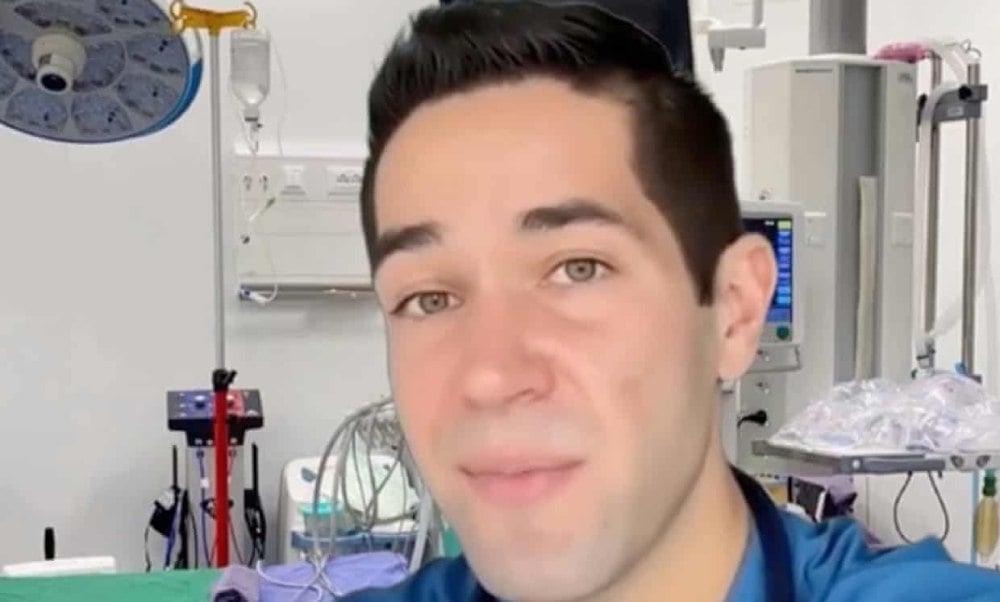
One AI-generated doctor avatar claims to have prescribed the same anti-ageing supplement to his patients for years. The product doesn’t exist. And yet the video promoting it has been seen by millions of people.
That’s the core finding of new research published by Hallam, a digital marketing agency, which analysed 1,198 TikTok videos across popular health-related search terms. The results are striking: AI-generated content appeared in 40% of top health videos. For searches like ‘health tips’, that figure climbed to 84%. The top AI-generated health videos averaged 2.5 million views each.
The accounts spreading this content are not obviously fake. Many are deepfake influencer profiles designed to look and sound like real clinicians, complete with professional settings and confident medical language. But the advice they give ranges from unproven to outright dangerous.
What these accounts are actually claiming
Among the false claims identified in the research: that microwaving food in plastic causes cancer, that deodorant causes cancer, and that sleeping next to your phone causes cancer. All three have been refuted by Cancer Research UK. Other accounts promoted Coca-Cola mixed with onion as a pain-relief remedy. One avatar promoted a product called ‘Hyalethinap Plus Pro Max’, described as capable of combating ‘hair loss, skin weakening, brittle nails and joint pain’ by helping the body produce ‘anti-ageing molecules naturally’. The Guardian found no evidence this product exists anywhere.
TikTok removed the specific videos shared with it by the Guardian. But the platform pushed back on the broader findings. A TikTok spokesperson said the research from ‘a marketing agency with commercial interests’ was ‘not an accurate reflection’ of the platform, adding that it removes harmful health misinformation, partners with the World Health Organization and the NHS, and invests in AI literacy tools and labelling technologies.
Why clinicians are alarmed
The medical establishment’s reaction has been sharp. Dr Emma Runswick, deputy chair of the BMA council, warned that AI accounts ‘peddling medical myths and miracle cures’ pose a ‘huge danger to public safety’, and called on platforms to do more to stop the spread of fake medical advice. ‘Otherwise, it is the public who could be paying the price with their health and perhaps even their lives,’ she said.
Professor Frankie Swords, national medical director at NHS England, said clinicians are reporting a growing number of patients arriving confused or worried because of false advice designed ‘solely for clicks.’ Professor Victoria Tzortziou Brown, president of the Royal College of GPs, described the risk of harm from misleading AI content as real and immediate.
Alex Ruani, a health misinformation researcher at UCL, put it bluntly: ‘We’re looking at industrialised exploitation of trust.’
The scale of the problem reflects a wider shift in how people find health information
A poll of more than 7,400 adults in England, conducted by Savanta on behalf of Healthwatch England, found that roughly one in five people use social media as a source of health information. That’s a significant portion of the population potentially exposed to content that has no clinical basis.
William Pett, interim director of policy at Healthwatch England, noted that without the ability to distinguish reliable information from ‘commercial hype or misinformation, people risk being misled in ways that can seriously affect their health.’
This research arrives against a backdrop of growing concern about AI-generated health content across platforms. The NHS has previously described health misinformation on social media as a ‘real threat to public health’, and similar warnings have been raised about AI Overviews in Google Search surfacing misleading health guidance.
So the TikTok findings aren’t isolated. They reflect a broader pattern in which AI tools are being used to produce health content at volume, with speed and visual credibility that makes it harder for viewers to apply scepticism. The challenge for platforms, regulators, and clinicians is that the content looks authoritative. And for many viewers, it clearly is convincing enough to watch, share, and believe.