


Oura sues Ultrahuman again, this time over the redesigned Ring Pro
The new complaint targets two patents, one issued just two days before filing, and raises the stakes in a smart ring market that is still growing

Supernatural is back on Meta headsets, and this time it’s on its own
The VR fitness app returns in early access as an independent company, priced at $20 a month or $200 a year.

No article to rewrite: the text supplied is a website navigation menu
The pasted content lists Zoom industry, audience, developer and partner links, with no health tech news to report on
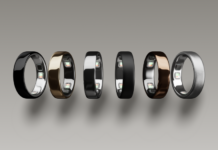
Oura adds workout metrics as smart ring rivals close in
With RingConn and Ultrahuman gaining ground, the category leader is betting that deeper exercise data will keep users from switching

Epic will show pharmacy cash prices at the point of prescribing
Prescription Marketplace, due in summer 2027, lets patients compare insured and cash costs across pharmacies before they leave the exam room

Your seizure monitor can now talk back
A Penn platform lets patients text their EEG device, correct its mistakes, and help it learn what matters to them

The AMA wants a simple test for AI agents in clinics: who is responsible...
A new four-question framework puts evidence, permissions and accountability at the center of agentic AI oversight

Oracle and AstraZeneca want AI to fix clinical trial recruitment
A non-binding agreement aims to use real-world data to find eligible patients earlier and feed research insights back into routine care

Could Remote Healthcare Make Life Easier for Long-Haul Drivers?
From virtual consultations to wearable health monitors, technology is giving drivers more ways to manage their well-being without always needing to visit a medical facility in person...

The startup timing cancer treatment to your internal clock
German biotech TimeTeller wants 'when' to become as important as 'what' in oncology — and it already has a major insurer on board