
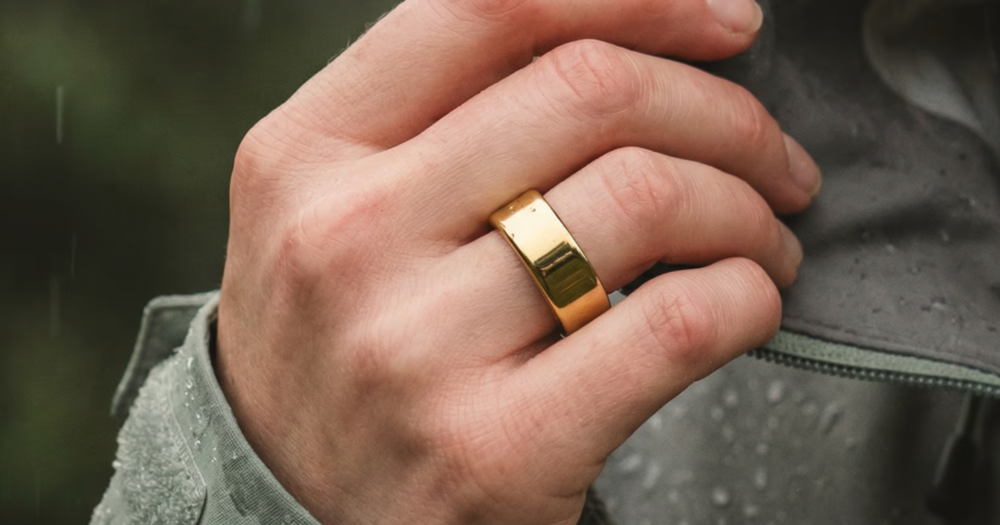
Winning a patent fight does not always end it. Oura learned that when Ultrahuman came back to the U.S. with a redesigned ring months after an import ban, and now Oura is going to court again to stop it.
In a complaint filed Thursday in a federal court in Texas, Oura alleges that Ultrahuman’s Ring Pro infringes two patents covering the ring’s design and internal components, including the battery and sensors. Oura wants monetary damages and a permanent injunction that would block sales. The Bengaluru-based startup is not the only defendant. Oura also named Texas electronics maker SVTronics, which it says builds the Ring Pro in Plano under Ultrahuman’s direction and control.
How the dispute got here
The two companies have been fighting since 2023, when Oura sued over the Ring Air, the product that helped Ultrahuman build a name in the U.S. A separate case at the International Trade Commission followed in 2024. In August last year the ITC ruled in Oura’s favor, and an import ban on the Ring Air took effect.
Ultrahuman launched the redesigned Ring Pro in February. In March, U.S. Customs and Border Protection issued a favorable ruling, clearing the way for its return to the American market. Oura’s position is that this ruling covered only the patent from the earlier dispute. The new suit cites two different ones: D804,471 and 12,769,363.
The patent timing
The second patent is the one drawing attention. Patent 12,769,363 was issued to Oura on October 20, two days before the lawsuit. It covers a smart ring design with internal components such as a curved battery, circuit board, magnets, and sensors.
Ultrahuman’s CEO and co-founder, Mohit Kumar, pointed to that timing. “Oura has now chosen to assert different patents, including one that issued just two days before this lawsuit was filed,” he said. He added that no court order affects the Ring Pro and that it remains on sale in the U.S. Ultrahuman says it will defend its position vigorously.
Oura frames it differently. A spokesperson said Ultrahuman “has a history of copying Oura’s innovations” and failed to fix the infringement with its redesign. In the filing, Oura says it is “forced” to sue to protect its rights.
A pattern of enforcement
Ultrahuman is one of several targets. Oura has also pursued Samsung, RingConn, Circular, and Zepp Health. Some of those fights ended in licensing deals, with RingConn and Circular agreeing to pay royalties to keep selling their rings.
That matters for anyone building in wearables. Oura appears to treat its patent portfolio as both a shield and a revenue source, and a redesign alone may not be enough to avoid it. Newly issued patents can also reopen a dispute that looked settled.
Market and money
The legal pressure arrives as the category grows. IDC expects global smart ring shipments to rise 12.8% this year to 4.9 million units, and to reach about 6.3 million by 2030. Oura is a leading player, but competitors are multiplying.
Both companies have financial context worth watching. Oura recently shelved its $2.2 billion IPO, citing market “uncertainty,” though it keeps adding features, including new metrics this week that show how workouts affect cardiovascular health. Ultrahuman raised $70 million in September from investors including Qualcomm Ventures and Labcorp, at a valuation of about $365 million. It is also working with Qualcomm on a ring that could run more software on the device itself, with ambitions beyond health tracking into AI interactions and gaming.
Why it matters
For clinicians and patients, the practical question is availability and continuity. Rings are increasingly used to track sleep, heart rate, and activity trends, and a forced product change or exit can disrupt that data and the habits built around it. For now, the Ring Pro is still sold in the U.S.
The larger question is whether patents will shape this market more than product quality. If courts side with Oura again, rivals may need licenses or deeper design changes. If Ultrahuman prevails, the scope of Oura’s claims gets narrower. Either way, the outcome will influence how much room challengers have to compete.