
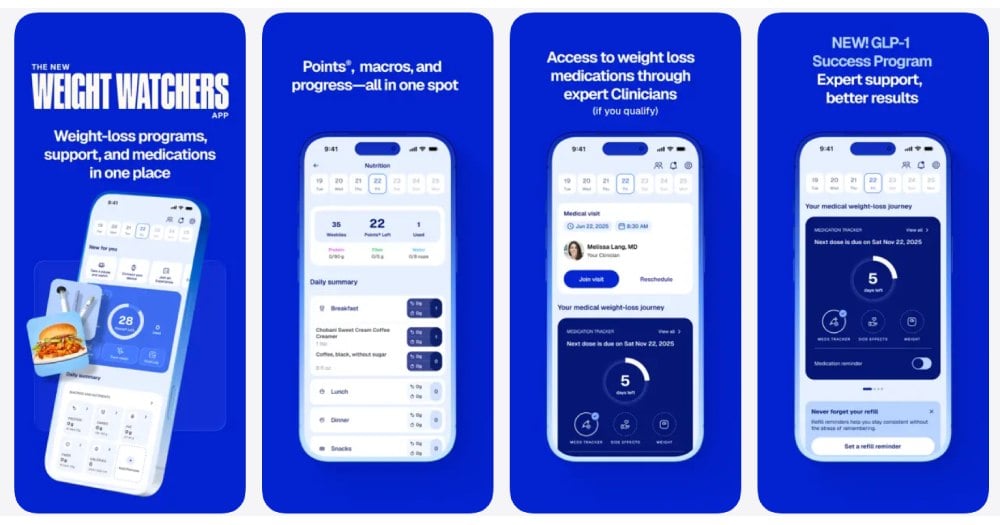
Employer-sponsored weight management has a well-known problem: enrollment spikes, then engagement collapses. Weight Watchers and Google Health are betting that real-time wearable data can change that pattern. The two companies announced a collaboration on September 29, 2026, pairing Google Fitbit Air and Google Health Enterprise with Weight Watchers’ clinically supported weight health program, starting with select employer and payer clients.
What the partnership actually does
The integration gives eligible Weight Watchers members access to Fitbit Air, Google’s latest wearable, alongside the Google Health Enterprise platform. The idea is straightforward: daily health behaviors tracked by the device, things like activity, sleep, and heart rate, feed into the Weight Watchers program to give members and coaches a richer picture of what’s happening between weigh-ins. Google Health Enterprise supplies the AI-powered insights layer that connects those data streams.
For employers and health plans, this is packaged as part of Weight Watchers for Business. They don’t need to build separate integrations or run parallel vendor relationships. The benefit sits in one place, with wearable data reinforcing the behavioral and nutritional programming Weight Watchers already delivers.
Why employers are paying attention
Obesity-related healthcare spending is a real and growing line item for self-insured employers and commercial health plans. Weight management benefits have expanded significantly over the past few years, partly driven by GLP-1 drug coverage decisions and partly by pressure to show that behavioral programs produce measurable results. But uptake and sustained engagement remain stubborn problems.
Connecting passive data from a wearable to an active program is one credible response to that. Members who see their own data reflected in their program experience tend to stay engaged longer. And employers who can track aggregate engagement metrics have something concrete to bring back to benefits committees when justifying the spend.
Still, the evidence base for wearable-integrated weight programs is mixed. Device data can improve short-term engagement, but whether it translates to better clinical outcomes over 12 or 24 months is a question this kind of commercial rollout won’t answer on its own. What it does do is give Weight Watchers a meaningful technology differentiator at a time when the weight management market is crowded and shifting fast.
Key features of the collaboration
- Access to Google Fitbit Air for eligible Weight Watchers for Business members
- Integration with Google Health Enterprise for AI-powered health insights
- Daily behavioral data, including activity, sleep, and biometrics, connected to Weight Watchers programming
- Available through select employer and payer benefit programs
- Designed to improve member activation and long-term engagement
The broader context for health tech
This deal reflects a pattern that has been building for a while. Enterprise health platforms are increasingly being bundled with wearable hardware, moving away from consumer-facing device sales toward B2B distribution through employers and insurers. Google Health has made no secret of its ambitions in the enterprise space, and partnerships like this one are part of how it builds clinical relevance beyond the consumer market.
For Weight Watchers, the stakes are significant. The company has been repositioning itself aggressively as a science-backed health platform rather than a diet program, and aligning with Google Health adds credibility to that story. It also opens a distribution channel that doesn’t depend on consumer marketing, which matters given how competitive and expensive that environment has become.
Pricing and availability specifics were not disclosed beyond the current rollout through select Weight Watchers for Business clients. Broader availability across employer and payer programs is expected to expand from there. Clinicians advising patients on employer benefits should watch for this option appearing in health plan portals over the coming year.