


Apple buys brain imaging startup Sonera in quiet accessibility bet
The acquisition could bring non-invasive neural sensing to Apple Watch and Vision Pro, no implant required
FDA grants breakthrough status to Nutromics’ vancomycin monitoring patch
The wearable, DNA-based patch could change how clinicians dose one of the most widely used and hardest-to-manage antibiotics in hospital medicine
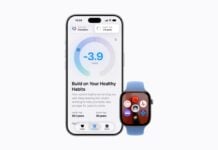
Apple Watch gets its most significant health upgrade yet — and the data backs...
A new sensing system, readiness scoring, and an AI-powered Health app aim to turn raw biometrics into genuinely useful daily guidance
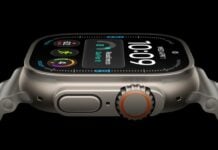
Apple Watch Ultra 4 bets on clinical-grade heart sensing
A new Health Sensing System, 45-hour GPS battery, and a readiness score built with exercise scientists make this the most medically ambitious Ultra yet
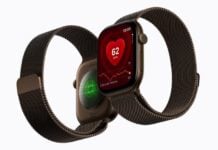
Apple Watch Series 12 brings clinical-grade heart rate sensing and a readiness score to...
A new Health Sensing System, more frequent HRV tracking, and an S11 chip push the Series 12 closer to meaningful health monitoring than any previous Apple Watch
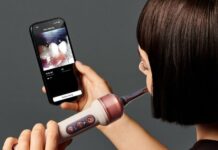
Dyson’s CameraJet toothbrush uses AI and a built-in camera to find and flush plaque...
Six years in development, the CameraJet combines a macro lens, machine learning, and a precision fluid jet — all in one device

London launches AI regulatory sandbox to fast-track medical devices into the NHS
A new programme from the MHRA and NHS England puts AI medical devices into live clinical settings, with oversight built in from the start
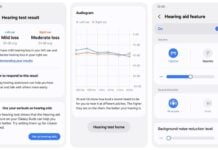
Samsung’s Galaxy Buds just became FDA-cleared hearing aids
A software update to existing earbuds could reach more people with mild hearing loss than the entire global hearing aid market currently does

A fingertip patch that reads sweat could finally solve Parkinson’s dosing problem
A battery-free wearable sensor tracks levodopa levels in real time, matching lab-grade accuracy in early testing
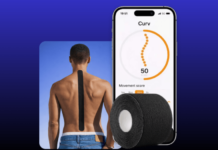
The back pain wearable that tracks what happens between appointments
CurvLabs founder Rohan Kotecha built a spinal sensor from his own frustration with chronic pain — and it may give clinicians something they've never had: continuous, real-world movement data