

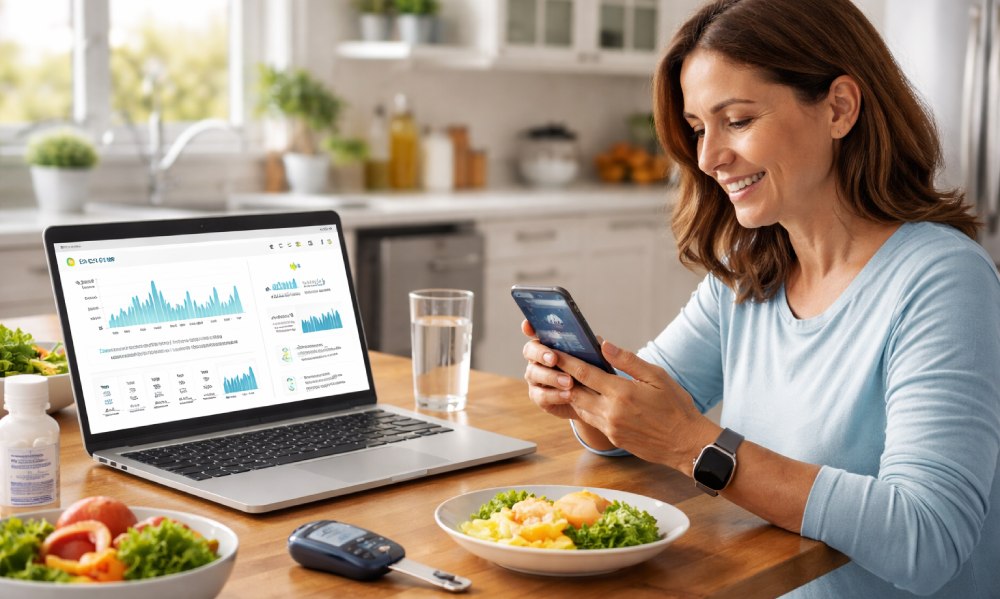
Managing type 2 diabetes today is no longer limited to clinic visits and paper logs. Digital health tools now play a central role in helping people understand their patterns, stay consistent with treatment, and make informed decisions.
Rybelsus, an oral GLP-1 therapy, can be part of a digitally supported care plan that combines medication, nutrition, movement, monitoring, and connected technology. With the help of apps, smart devices, and shared reports, people can track progress in real time and adjust their approach more effectively.
If you are exploring oral therapies for type 2 diabetes, you can learn more about Rybelsus at:
and discuss your options with your clinician. This guide explains how Rybelsus works and how digital tools can improve consistency, insight, and long-term results.
How Rybelsus Works in a Digital Care System
Rybelsus contains semaglutide, a GLP-1 receptor agonist that helps regulate blood sugar by:
- Increasing insulin release when glucose rises
- Reducing glucose production by the liver
- Slowing digestion to limit post-meal spikes
- Supporting appetite control
Unlike insulin, GLP-1 medicines usually carry a low risk of low blood sugar when used alone. When combined with digital glucose tracking, meal logs, and activity data, clinicians can better understand how the medication performs in real-life settings—not just during office visits.
Connected meters, continuous glucose monitors, and mobile dashboards turn daily readings into meaningful trends that support more precise treatment decisions.
Who Benefits Most from Digitally Supported Therapy
Adults with type 2 diabetes who have not reached their goals through lifestyle changes alone may consider oral GLP-1 therapy. Many prefer tablets over injections, especially when paired with digital support systems that simplify daily management.
Eligibility depends on medical history, current medications, organ function, and cardiovascular risk. Clinicians often review:
- A1C levels
- Daily glucose trends
- Time-in-range data
- Activity and nutrition logs
Sharing this information digitally reduces guesswork and improves collaboration between patients and healthcare teams.
Tracking Side Effects with Digital Tools
Digestive symptoms—such as nausea, fullness, or loose stools—are common when starting or adjusting Rybelsus. These effects usually improve over time.
Less common symptoms include fatigue, constipation, or stomach discomfort. Rare but serious complications, such as pancreatitis, require immediate medical attention.
Using symptom-tracking apps or digital journals helps users record:
- When symptoms appear
- What they ate
- Activity levels
- Medication timing
This data makes it easier to identify patterns and refine treatment.
Using Technology to Take Rybelsus Correctly
Rybelsus must be taken in the morning with a small amount of water, at least 30 minutes before food or other medications.
Digital tools can support this routine through:
- Smartphone alarms
- Smartwatch reminders
- Medication apps
- Voice assistant prompts
Consistent timing improves absorption and helps clinicians evaluate effectiveness using reliable data.
Setting Realistic Goals with Data Insights
Blood sugar improvements usually develop gradually and depend on adherence, dose, and lifestyle habits. Digital dashboards help users track progress over weeks and months rather than focusing on daily fluctuations.
Weight changes may occur but are most sustainable when combined with:
- Digital coaching programs
- Habit trackers
- Weekly health summaries
These tools shift attention from short-term results to long-term metabolic health.
Digital Nutrition Tracking for Better Glucose Control
Balanced meals support stable blood sugar and reduce digestive discomfort. Common recommendations include:
- Non-starchy vegetables
- Lean protein
- High-fibre carbohydrates
- Regular meal timing
Digital food logs, photos, and barcode scanners help connect nutrition choices with glucose patterns. Reviewing this data with a dietitian or clinician strengthens personalised guidance.
Activity, Sleep, and Stress Monitoring
Movement improves insulin sensitivity and energy levels. Even short walks after meals can reduce glucose spikes.
Wearables and fitness apps track:
- Daily steps
- Exercise sessions
- Heart rate
- Recovery trends
Sleep and stress also influence glucose levels. Sleep trackers and wellness apps can reveal correlations between late nights, stress, and higher readings—supporting better routine design.
Digital Monitoring and Virtual Follow-Ups
Monitoring plans often include fasting and post-meal checks, especially during dose changes. Digital platforms convert raw data into:
- Weekly averages
- Post-meal reports
- Time-in-range summaries
- Trend charts
These insights make virtual or in-person appointments more focused and productive. Clinicians may also track A1C, kidney function, blood pressure, cholesterol, and weight digitally over time.
Managing Interactions and Safety with Shared Data
All medications and supplements should be reviewed with a clinician, as some affect absorption or tolerance. Digital records linking symptoms, glucose, and medications help clarify whether changes are treatment-related or influenced by lifestyle or illness.
People with a history of pancreatitis or gallbladder disease require special monitoring, which is easier with continuous data sharing.
Choosing Digital Tools for GLP-1 Therapy
GLP-1 therapies are available in oral and injectable forms. Tablets offer convenience, while some injections provide weekly dosing. Each option works best when supported by the right technology.
More information about GLP-1 therapies is available from here.
Choosing compatible apps, devices, and platforms improves long-term engagement and treatment success.
Practical Digital Habits for Daily Success
- Automate medication reminders
- Schedule the 30-minute fasting window
- Use symptom and mood trackers
- Sync glucose data with mobile apps
- Build repeatable grocery lists
- Pair routines with wearable alerts
Small digital habits compound into better consistency over time.
Smart Questions for Your Healthcare Team
- Which digital metrics matter most for me?
- How often should I upload my data?
- Can we review reports before visits?
- Do my other medications affect tracking?
- When should we reassess results?
- Which symptoms should I report digitally?
Key Takeaways
Rybelsus works best when integrated into a digitally enabled diabetes care system. Combining medication with connected monitoring, nutrition tracking, movement data, and smart reminders turns daily information into actionable insight.
Digital health tools help transform routine management into a personalised, data-driven strategy that supports long-term control and quality of life.
For general diabetes resources, visit and consult your healthcare provider for personalised guidance. This article is for informational purposes and does not replace medical advice.