

Consumer health is shifting toward longevity, quantified wellness and personalized nutrition. One of Europe’s fastest-growing health tech companies is positioning itself for the next wave.
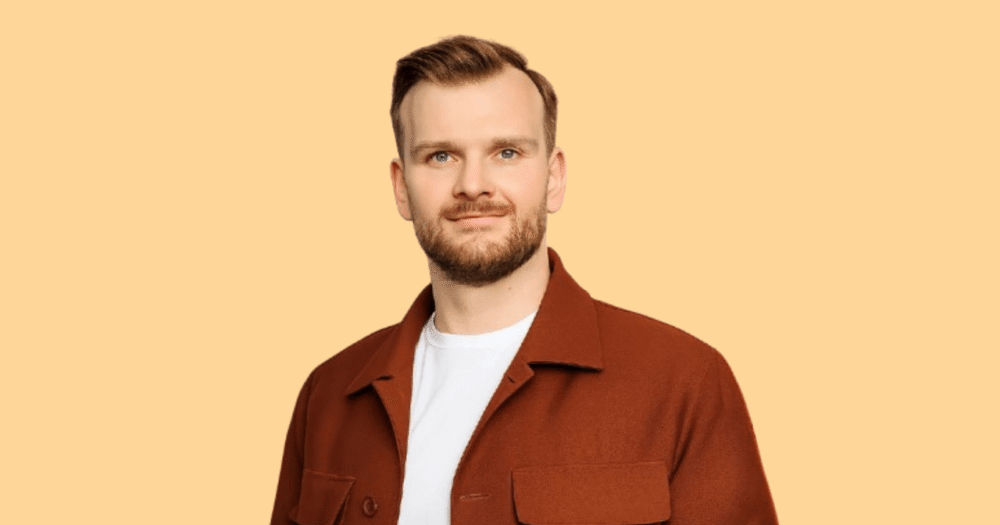
Kilo, formerly Kilo Health, became the second-fastest-growing company in Europe in 2022. After building direct-to-consumer health brands used by over 10 million people worldwide, the Lithuanian company is evolving into what CEO Žygimantas Surintas calls a “high-velocity venture studio.”
In 2024, the company posted consolidated revenue of €234 million and EBITDA of €11 million. Its portfolio spans established brands including Moérie, Pulsetto, Bioma, Her Bodhi, ColonBroom, and RatePunk.
How does it work?
The rebrand from Kilo Health to Kilo signals a broader strategic shift, according to Surintas. “It was really about clarifying who we are. For a long time, people described Kilo Health in different ways – studio, ventures, startup studio – and we wanted one clear answer.”
Kilo operates through Kiloverse, its internal ecosystem that gives founders access to marketing expertise, technology tools, global partnerships, and specialists in R&D, nutrition, and research. The company works with builders primarily in health and wellness, supporting them from the MVP stage through to scale.
Investment tickets range from €50,000 to €1 million, with follow-on funding of up to €10 million. To date, Kilo has invested over €10 million in external startups and nearly twice that in its own R&D and product development.
“We’re not rich enough to invest in the obvious, loved-by-everyone winners,” Surintas says. “We focus on ideas that fit our concept – and especially where money is not the only value we bring. Our money is expensive – so we need the right fit and real synergies.”
Why does it matter?
Kilo sees growing demand emerging around mental health and longevity. Surintas argues that the longevity market in particular has reached a turning point after several years of experimentation.
“People are educated enough now that we can talk about mass products – what works and what’s proven versus what’s just noise,” says Surintas. “That’s a good moment for us. This year we’re planning to introduce four or even five longevity products.”
The company plans to invest up to €20 million in AI development over the next three years, with an ambitious target of $1 billion in consolidated annual revenue. But Surintas is cautious about adopting new technologies too quickly.
“We saw one company in our segment automate media buying with machine learning and let go of more than half their team – and sales dropped 40 per cent. That’s a hard lesson,” he says.
The context
Kilo operates across health, wellness, beauty, and travel markets that often overlap. The company doesn’t manufacture its own products. Instead, it works with established partners – primarily in the United States – allowing it to develop scientifically grounded products while moving quickly.
“We have nutritionists, a legal team, and compliance specialists working on this every day. If someone comes with an idea tomorrow, we can quickly say: this path works, that path doesn’t,” Surintas explains.
The company’s biggest achievement, according to Surintas, is reaching this point without external funding. “We expect to close 2025 at around €500 million in revenue – without external investment.”
For founders considering partnerships, his advice is direct: “You can have 100 per cent of something very small, or less than 100 per cent of something very big. We don’t look for hustlers. We look for grinders. It’s tough, it takes time, and you’ll spend a lot of life in the office.”