

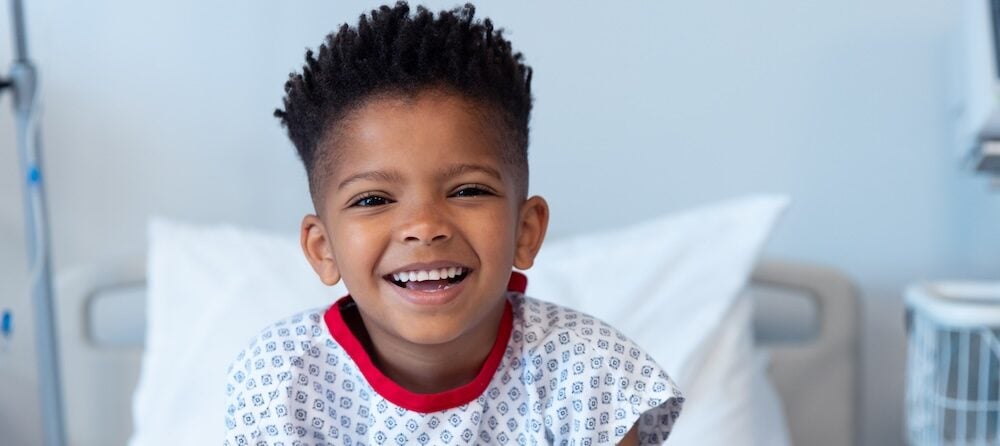
Children receiving cancer treatment face a constant threat from infections that their weakened immune systems can’t fight off. Now researchers in Australia are testing whether an Apple Watch can provide an early warning system to catch these dangerous complications before they become life-threatening.
The Murdoch Children’s Research Institute (MCRI) is running a four-week trial with 150 children aged 5-18 who are receiving chemotherapy at The Royal Children’s Hospital. The study uses a custom app that monitors heart rate, breathing, blood oxygen levels and physical activity through the Apple Watch.
How does it work?
The research app collects health data from the Apple Watch and feeds it into an AI system designed to spot patterns that might indicate an infection is developing. All data is stored securely and only accessible through the research app.
“Apple Watch has an array of features that offer access to health and activity insights, making it another potential, non-invasive, platform for detecting early signs of infection,” said MCRI Professor Rachel Conyers, who is leading the study.
The AI system will analyze changes in the children’s vital signs and activity levels to build an infection prediction model. The goal is to alert medical teams before symptoms become obvious, allowing for faster treatment.
Why does it matter?
Children undergoing chemotherapy have severely weakened immune systems, making them extremely vulnerable to infections that healthy children could easily fight off. These infections can quickly become serious or even fatal.
The potential benefits of early detection include:
- Faster medical intervention
- Fewer emergency hospital admissions
- Reduced anxiety for families
- Less overall suffering for young patients
“This early warning system could mean faster care, fewer hospital stays and less worry for families,” Professor Conyers explained.
The context
While childhood cancer survival rates have improved dramatically – now exceeding 80% in developed countries – the treatments come with serious side effects. About 60% of survivors develop at least one chronic health condition, and more than a quarter face severe or life-threatening complications directly related to their cancer treatment.
Infections are particularly problematic. Studies show that 90% of children who experience side effects from cancer treatment are treated for infections at some point during their care.
This isn’t the first time MCRI has explored Apple Watch technology for pediatric cancer care. Professor Conyers’ team previously studied using the watch’s ECG app to monitor heart damage during cancer therapy – another common and serious side effect of treatment.
Six-year-old Oliver, who has a rare and aggressive blood cancer, is one of the children participating in the current trial. His mother Jacqui says he was eager to help other children receiving cancer treatment.