


Everlywell brings AI breast cancer risk assessment to women nationwide
The first FDA-authorized AI tool to estimate five-year breast cancer risk from a routine mammogram is now available directly to consumers through Everlywell's platform

Utah approves AI system to prescribe acne treatments without a doctor’s sign-off
A controlled pilot in Utah lets an algorithm issue initial prescriptions autonomously — and it may signal where telehealth is heading
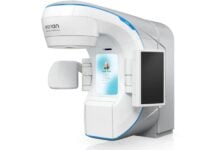
Siemens Healthineers launches Accela, a radiotherapy system built to treat complex cancers in under...
The new linac platform promises single breath-hold stereotactic treatments and multi-site SBRT in 60 seconds, backed by eight years of development and input from seven major cancer centers
GE HealthCare and Mass General Brigham team up to bring generative AI to radiation...
A new research collaboration aims to cut through the information chaos that slows cancer treatment delivery

Tiny Health raises $33 million to push microbiome science from research into clinical practice
A published RCT showing an 83% reduction in infant eczema risk is the kind of evidence that turns a promising idea into a serious medical platform
FDA clears first app to adjust insulin doses directly for type 2 diabetes patients
DreaMed's MODI puts automated insulin optimization in the hands of injection users, no clinician sign-off required

Qualcomm bets on screenless AI for healthcare, but the hard work starts now
A new chip and a health alliance signal serious intent — the clinical proof is still to come

Zocdoc wants to make every provider bookable everywhere patients search
A new network expansion connects providers to AI platforms, insurance directories, and search engines through a single integration

Ferry Health raises $9M to make booking a doctor’s appointment someone else’s problem
The AI startup wants to eliminate the phone tag, dead-end directories, and hold times that keep patients from accessing care
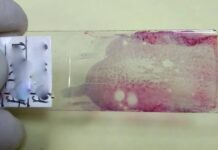
AI reads the ‘geography’ of pancreatic tumors to predict who’s most likely to relapse
Mayo Clinic researchers show that how residual cancer is arranged in tissue, not just how much remains, may sharpen recurrence risk estimates after surgery