

Study: Modern technology helps chronic patients feel better about their health
The study has found that digitally engaged patients want doctors to prescribe apps to help better connect, communicate, and manage their health.

Canalys: Samsung, Fitbit lead the wearables market, but all eyes are on Apple
Over 720,000 Android Wear devices shipped last year out of a total of 4.6 million smart wearable bands; Moto 360 is leading the pack.

Salesforce report: We’re at the starting line of connected health tech
Modern technology will pressure healthcare providers to embed more social, mobile and cloud technologies in their day-to-day interactions with patients.

More than 40 million smartphone owners actively use at least fitness app
Parks Associates expects usage and adoption to increase with the release of new mobile form factors such as the Apple Watch.

64% of consumers would use telehealth services
Additionally, 63% of consumers believe that live video visits are more likely to yield an accurate diagnosis than phone or email alone.
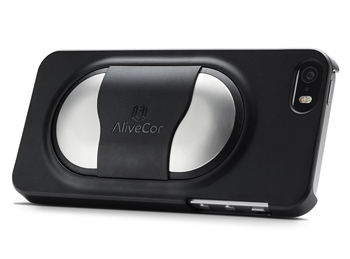
Cleveland Clinic’s iTransmit study proves AliveCor’s efficiency
The study found that the AliveCor Heart Monitor had 100% sensitivity, and 97% specificity for detecting atrial fibrillation (AF) and atrial flutter, combined.
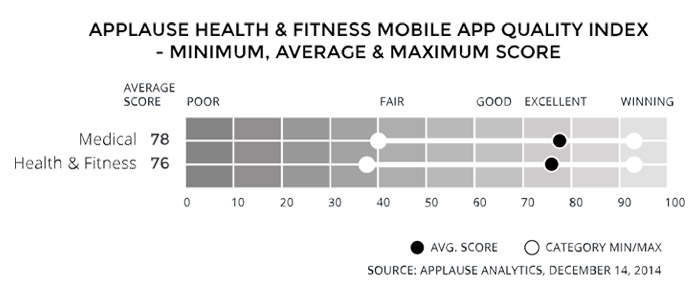
Big name mHealth apps not liked by consumers
Published by Applause, the 2015 State Of The U.S. Health & Fitness Apps Economy ARC 360 report looked at 39 health and fitness and 28 medical apps.
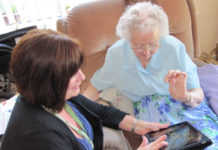
41% of U.S. home caregivers use a digital health device
The smart device with the highest interest -- 44% of current and future caregivers -- is an electronic panic button that can signal an emergency.
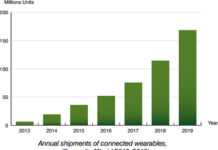
Connected wearable shipment to reach 168 million in 2019
According to Berg Insight, shipments of connected wearables reached 19 million in 2014, up from 5.9 million devices in the previous year.

Global telehealth market to grow at 18.88% CAGR during 2014-2019
The entire market is set to nearly double in next 5 years thanks to the demand for high-quality healthcare and remote patient monitoring.