

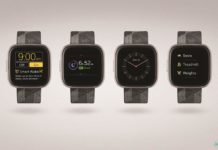
FitbitOS 4.1 announced, coming in early December
The new OS includes improved heart rate tracking, enriched always-on display mode for Versa 2, smart wake and more functionality right from your wrist.
GlobalData: $54B wearable tech industry offers immense opportunity for healthcare by 2023
Wearables have the greatest potential in healthcare to address spiraling healthcare costs, aging populations, and the burden of chronic disease.

WSJ: Google was collecting millions of Americans’ health data
The search giant has secretly been accumulating the health data of millions of Americans from 21 different states, in partnership with Ascension.

Majority of patients with access to electronic health records not using it
Only about one in 10 discharged hospital patients with access to their electronic medical records go online to take a look.
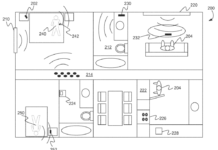
Apple patents a connected home concept that track user’s sleeping habits
The patent describes a method to more accurately determine when someone is asleep, using multiple devices (rather than just one device) as sources of data.
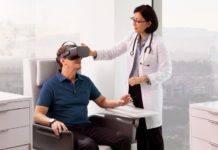
AppliedVR, NCI to evaluate VR as a solution to help address cancer-related anxiety
The proof-of-concept study will evaluate AppliedVR's system on scanxiety - the anxiety patients experience before or after medical diagnostics scans.
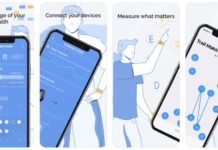
Mount Sinai launches precision wellness N1 app
The app was designed to serve as a medical science tool for individuals to compare the effectiveness of wellness-related treatments for different people.

Xiaomi Mi Watch officially announced
The device runs Google's Wear OS platform with Xiaomi's own MIUI skin on top; could it be an Apple Watch of China?

John Hancock taps Verily and Onduo for life insurance solution for Americans living with...
The partnership will provide personalized diabetes support with the protection of life insurance and the potential to earn up to 25% in premium savings.
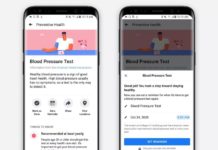
Facebook launches the Preventive Health tool
The new tool, currently limited to users in the US, focuses on getting people information about cancer screenings, heart checkups, and flu vaccines.