

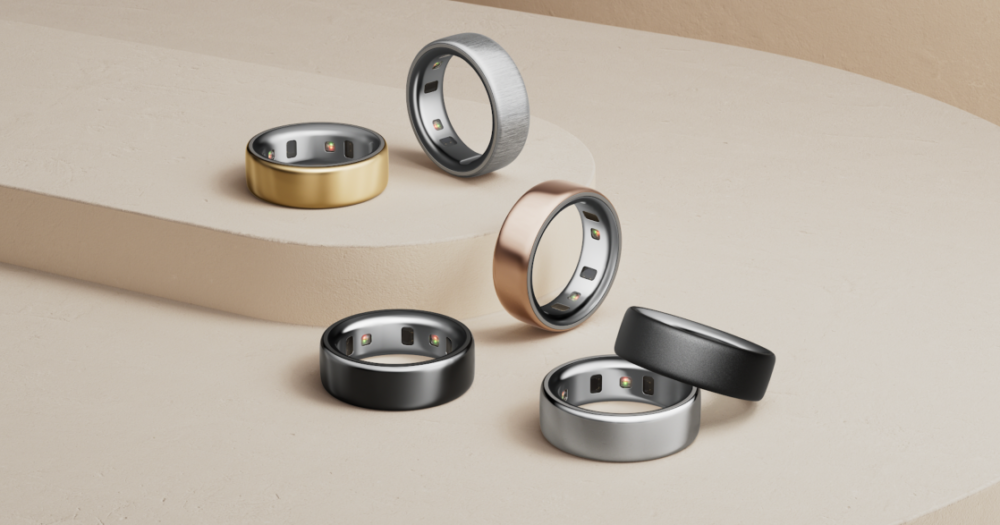
Oura is betting that women need their own AI health advisor. The smart ring company announced Tuesday it’s launching a custom AI model designed specifically for women’s health questions.
The new model powers Oura’s AI chatbot, called Oura Advisor. It can handle questions about everything from early periods to menopause symptoms. The feature is rolling out now in Oura Labs, the company’s testing ground for experimental features.
This move makes sense given Oura’s user base. The company’s fastest-growing segment isn’t fitness enthusiasts – it’s women in their early twenties, according to Chief Commercial Officer Dorothy Kilroy.
How does it work?
When you ask Oura Advisor a women’s health question, the new model kicks in. It pulls from medical research and clinical knowledge that Oura’s team of doctors and women’s health experts have reviewed.
But it doesn’t stop there. The model also looks at your personal biometric data – things like sleep patterns, activity levels, menstrual cycle tracking, and stress indicators. This combination of medical knowledge and personal data is supposed to give you more relevant advice.
The company designed the model to be supportive and non-dismissive. That’s important because many women report feeling brushed off when they bring health concerns to doctors.
Why does it matter?
More people are turning to AI chatbots for health advice. But most AI models weren’t built with women’s health in mind. They often rely on medical research that historically focused on men’s bodies and experiences.
“Women’s health is too complex – and too often overlooked – to rely on one-size-fits-all systems,” said Dr. Ricky Bloomfield, Oura’s chief medical officer. The company thinks a specialized model will give better, more relevant answers.
Still, Oura is clear about limits. The chatbot isn’t meant to replace your doctor. You shouldn’t use it for diagnosis or treatment plans.
The context
This launch fits into a bigger trend of tech companies focusing on women’s health. The market has been underserved for years, creating opportunities for companies that get it right.
Oura has some advantages here. The company already collects detailed biometric data from its smart rings. Adding AI that can interpret this data in the context of women’s health could make the device more valuable to users.
The model runs entirely on Oura’s own servers. The company says it doesn’t share or sell conversation data. That’s important given how sensitive health information can be.
You can try the new model by opting into Oura Labs through the app’s menu. But remember – it’s still experimental technology, not medical advice.