

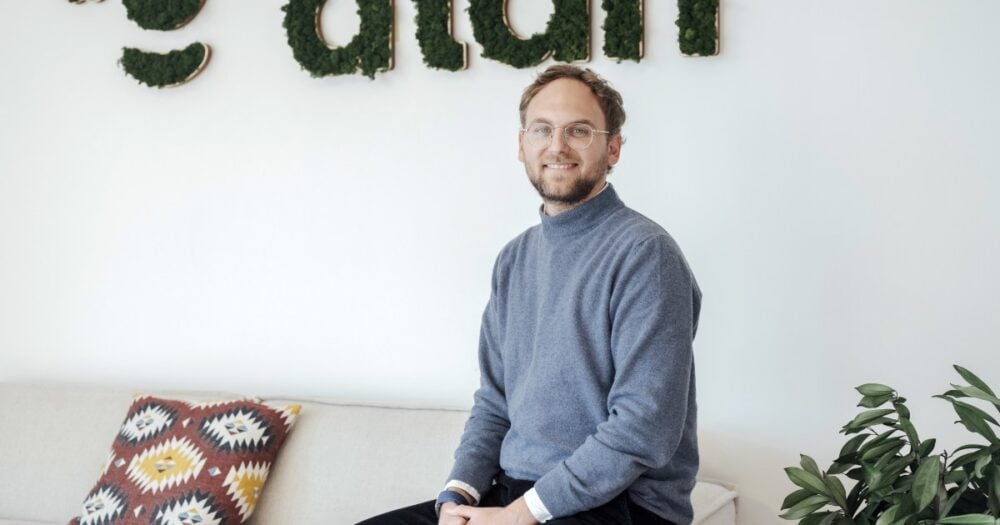
While 30% of European unicorns may have lost their billion-dollar status, French health insurance startup Alan is moving in the opposite direction. The company is now valued at €5 billion (approximately $5.83 billion), up from $4.5 billion in 2024.
The higher valuation comes from a €100 million ($116 million) funding round led by existing investor Index Ventures. Alan’s growth story stands out in a market where many tech companies are struggling to maintain their previous valuations.
What’s the news?
Alan closed a €100 million funding round that pushed its valuation to $5.8 billion. Index Ventures led the round, with new investors including:
- Greenoaks
- Kaaf
- SH
- Business angels including Shopify founder Tobi Lütke and FIFA World Cup winner Antoine Griezmann
Belgian bank Belfius, which led Alan’s previous Series F round, also participated. The company says it reached €785 million (about $915 million) in annual recurring revenue in 2025, a 53% jump from the end of 2024.
Alan also won a major contract to provide health insurance to up to 135,000 civil servants and their relatives. The company says it reached operational profitability in France and cut its losses in half as a percentage of revenue over the past year.
Why does it matter?
Alan’s rising valuation goes against the grain in Europe’s struggling unicorn market. The company is showing that B2B health tech can grow quickly while improving its financial metrics.
The startup reached operational profitability in its home market of France, where it was the first new independent insurance company to get a license since the 1980s. This proves the business model works at scale.
Alan’s international expansion is also gaining traction. The company now operates in Belgium and Spain, where it counts HP and Volkswagen as clients. It recently entered Canada and is now licensed across all provinces there.
The context
Created in 2016, Alan has grown to 740 employees serving one million users with health insurance and wellness services. The company’s app lets users manage reimbursements, access doctors, and track health habits.
CEO Jean-Charles Samuelian-Werve, who is also a co-founding advisor and board member at French AI company Mistral AI, says the funding will help Alan “invest ambitiously, particularly in tech and AI.”
The financial improvement is notable. After posting net losses of $61 million in 2023 and $56 million in 2024, Alan says it’s approaching operating break-even overall. The company is targeting $1.16 billion in annual recurring revenue for 2026 rather than focusing on profitability, and investors seem comfortable with that approach.