

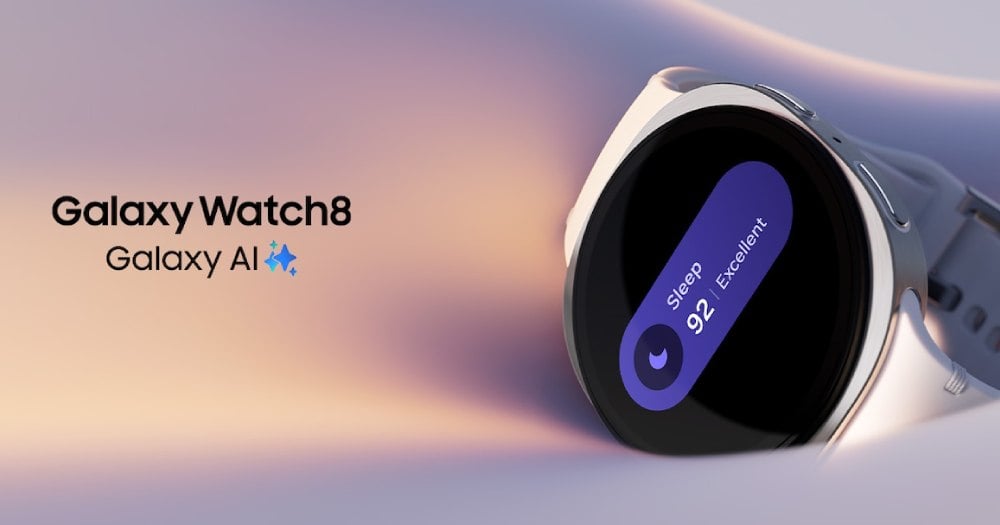
Samsung and Verily Life Sciences just announced a partnership that could change how clinical research works. The companies are combining Samsung’s Galaxy Watch 8 with Verily’s precision health platform called Pre to create an integrated solution for medical studies.
The collaboration was announced at HIMSS26 in Dallas. It aims to help life sciences companies and government agencies run better studies by mixing advanced health analytics with data from consumer smartwatches that people actually want to wear.
How will it work?
Verily will integrate sensor data from Samsung Galaxy Watches directly into its Viewpoint Evidence solution. This platform lets research sponsors run real-world studies with participants they can follow up with over time.
The system includes several key components:
- Refinery for cleaning up and organizing data from different sources
- Workbench for analyzing data and building models
- AI and machine learning tools for finding patterns in health data
- Full clinical trial support including regulatory compliance
Samsung’s Galaxy Watch brings verified health measurements to the table. The device can track heart rate, blood oxygen levels, and body composition. It also has FDA clearance for detecting moderate to severe sleep apnea and irregular heart rhythms.
Why does it matter?
Traditional clinical research often struggles with participant engagement. People don’t want to wear clunky medical devices or visit clinics constantly. Consumer smartwatches solve this problem because people already use them daily.
The partnership offers several benefits for researchers:
- Higher participant engagement since people like using Galaxy Watches
- Continuous health monitoring instead of occasional checkups
- Real-world data from people’s normal daily activities
- Advanced AI analysis to spot patterns humans might miss
“The use of consumer-friendly devices in clinical research makes it easier for participants to engage in studies, while enabling sponsors to use advanced biomarkers to generate high quality data,” said Scott Burke, Verily’s Chief Technology Officer.
The context
This partnership builds on Verily’s track record in digital health measurements. The company has developed AI algorithms for tracking Parkinson’s disease, heart conditions, and respiratory problems. Their research has been published in major scientific journals including NPJ Digital Medicine and Nature Portfolio’s Science Reports.
Samsung brings the hardware expertise. The Galaxy Watch 8 has been tested and verified across multiple health metrics. Tyler Gipson from Samsung Electronics America said the watch’s strength is “not just in its consumer appeal, but in its ability to generate high-quality, verified data.”
The companies also plan to explore joint development of new research tools. This could mean purpose-built features for clinical trials or better ways to collect and analyze health data from everyday activities.