

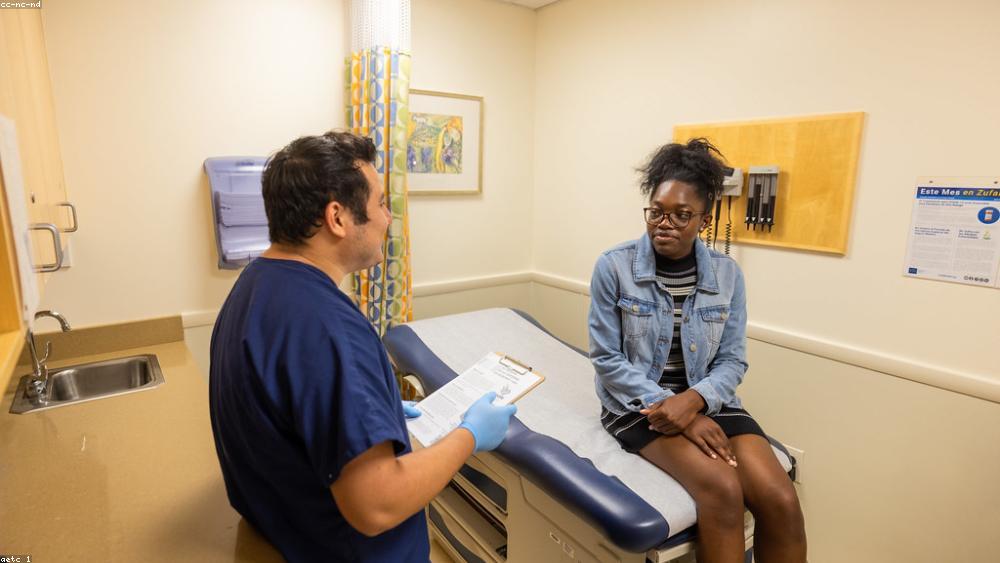
There used to be a clean line between two kinds of patients. One had a personal doctor who returned calls, coordinated specialists, and made sure nothing fell through the cracks. The other had a folder of referral slips, a stack of after-visit summaries nobody explained, and a phone number for a billing department that never picked up. The line between those two experiences used to track pretty closely with income. That line is starting to blur.
The System Got More Complicated Faster Than Anyone Could Keep Up
Part of what changed is the system itself. A single chronic diagnosis today can mean a primary care doctor, two or three specialists, a pharmacy, an insurer’s prior authorization department, and a hospital system’s own patient portal, all operating with different records and different assumptions about who talks to whom. Nobody assigned any one person to make sure those pieces actually connect. Patients ended up doing that job themselves, usually while managing an actual health problem at the same time.
That gap is exactly where patient navigation services have started to take hold. Bern Medical, based in Alabama, describes its work as helping people understand their treatment options and their medical journey, and in a state where the distance between what a hospital system offers and what a patient can actually reach tends to run longer than it does in a big coastal city, that kind of coordination carries even more weight. It sounds simple until you’ve actually tried to get three specialists’ offices to agree on a shared plan without anyone doing that coordination for you. It turns out most families never had anyone in that role. They just didn’t have a name for the gap until someone offered to fill it.
Why This Looks Like Concierge Medicine for Everyone Else
Concierge medicine built its entire pitch around access and coordination: a doctor who knows your history, has time for your questions, and manages your case instead of just treating the appointment in front of them. That model worked well for people who could pay a retainer for it. Patient navigation services are effectively unbundling that same coordination function and making it available without requiring a membership fee for a personal physician.
The service isn’t clinical care itself. It’s the connective tissue around clinical care, the part that used to fall on whichever family member had the most free time and the most patience for hold music. Formalizing that role as its own service, rather than leaving it as an unpaid job for whoever in the family volunteered, is the actual shift happening here.
The Apps Were Supposed to Make This Easier
The last decade handed patients a portal for every provider: one login for the hospital system, another for the specialist’s private practice, another for the pharmacy, another for the insurer. Each one arrived with the promise of putting patients in control of their own care. In practice, control turned into inventory. Instead of one confusing phone call, patients now manage four or five separate logins, each with its own password rules, its own notification settings, and its own partial slice of the same medical story.
None of those portals talk to each other. A test result posted in one system doesn’t automatically show up in another, so the job of actually connecting the dots still falls on the patient, just across more screens than it used to. Digital health tools solved the problem of access to information. They did not solve the problem of who is responsible for making sense of it once it’s scattered across five different apps.
That is precisely the gap patient navigators are stepping into now: not replacing the portals, but sitting on top of them, checking each one so the patient doesn’t have to remember that the cardiologist’s results live in a different app than the primary care doctor’s. The technology multiplied the places information could live. It did not reduce the number of things a patient has to keep track of, and in a lot of cases it quietly increased it.
The Paperwork Problem Isn’t Going Away on Its Own
Health systems have talked about interoperability and coordinated care for years without solving the basic experience most patients still have: too many portals, too many phone trees, and no single person accountable for the whole picture. Technology hasn’t closed that gap yet, and there’s no clear sign it will anytime soon.
Until it does, the demand for someone to sit on the patient’s side of that gap, translating jargon, tracking referrals, and making sure nothing gets dropped between appointments, isn’t going away either. What used to be a luxury service for a small number of patients is turning into standard advice for anyone managing a complicated diagnosis: get someone in your corner before the system asks you to manage it alone.