

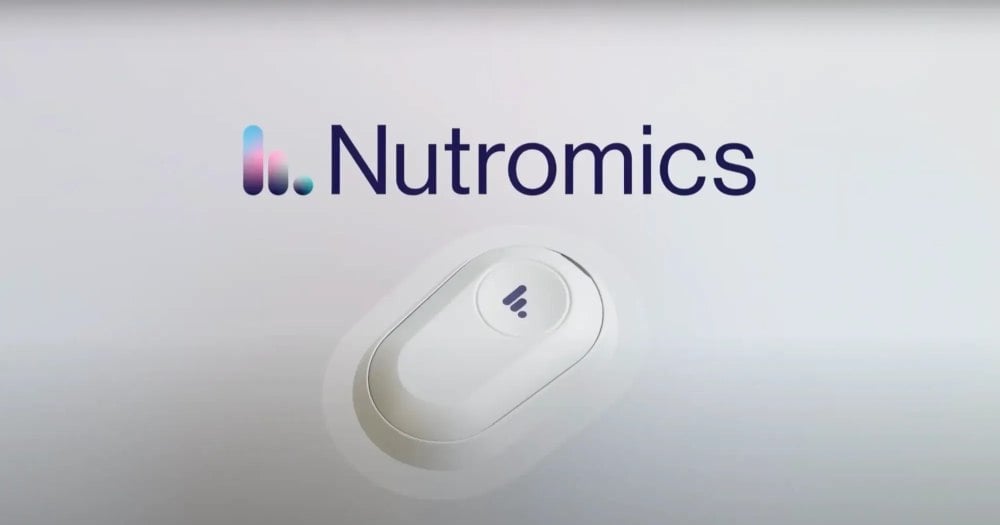
Nearly three million Americans receive vancomycin every year, and getting the dose right remains one of the more frustrating challenges in acute care. Too little, and the antibiotic fails. Too much, and the risk of kidney toxicity climbs. The current standard of care depends on periodic blood draws and lab turnaround times that can stretch hours. Australian med-tech company Nutromics is building a wearable patch that monitors vancomycin concentrations continuously, in real time, and the FDA has now formally recognized it as a technology worth accelerating.
The agency has granted Nutromics’ Vancomycin TDM Patch a Breakthrough Device Designation, a status reserved for technologies that address life-threatening or irreversibly debilitating conditions and show a credible likelihood of improving treatment or diagnosis. The designation does not mean the device is approved or commercially available. It is still investigational. But it does mean the FDA has committed to working closely with the company on study design and review, which can meaningfully compress the path to market.
What the patch actually does
The device is built on a DNA-based sensing platform that uses minimally invasive microneedles to sample interstitial fluid beneath the skin. The sensors are designed to detect specific molecules continuously, without the need for repeated blood draws. For vancomycin monitoring, that means tracking drug concentrations across time rather than capturing isolated snapshots.
This matters because vancomycin dosing guidelines shifted in 2020 toward area-under-the-curve monitoring, a method that requires understanding drug exposure over time rather than just a single trough level. In practice, AUC-guided dosing is more accurate and better at reducing toxicity, but it also demands more data points. Continuous monitoring is a natural fit for that model, and that’s the gap Nutromics is targeting.
Dr. George Chiampas, an emergency medicine physician at Northwestern Hospital and a consultant to Nutromics, put it plainly: “Vancomycin dosing for individualized patients is incredibly challenging to get right. Access to real-time, continuous data about drug concentrations would meaningfully and positively impact our ability to make dosing decisions.”
Where the clinical evidence stands
Nutromics published first-in-human data on its molecular monitoring platform in Nature Biotechnology in February 2026. The company has since run ICU clinical studies in Australia and is preparing for further studies in the United States. In granting the designation, the FDA specifically considered the device’s workflow improvements, increased accessibility, and expected ability to return results and support dosing changes faster than current practice allows.
Still, the patch is not yet authorized for commercial distribution in any market. Nutromics is targeting a potential US launch in 2027, contingent on regulatory authorization.
A platform play, not a single product
Vancomycin is the company’s first sensor, but it is not intended to be the last. Nutromics has described its ambition as multi-analyte sensing, with future targets including molecules relevant to sepsis diagnosis and cardiovascular disease management. The underlying platform is designed to detect proteins, drugs, metabolites, and hormones, which positions it as a potential monitoring tool across a range of critical care settings.
That broader scope is worth watching. Continuous glucose monitoring reshaped diabetes care by giving patients and clinicians a constant data stream instead of point-in-time readings. The question for Nutromics and the field more broadly is whether the same shift can happen for other molecules in hospital and high-acuity settings, where the stakes and the complexity of dosing decisions are considerably higher.
- Platform: DNA-based sensors integrated with minimally invasive microneedles
- First target: Vancomycin therapeutic drug monitoring
- FDA status: Breakthrough Device Designation granted; not yet authorized for commercial use
- Clinical milestones: First-in-human data published in Nature Biotechnology, February 2026; ICU studies completed in Australia
- Next steps: US clinical studies in preparation; US launch targeted for 2027
- Future sensor targets: Sepsis biomarkers, cardiovascular disease markers
CEO and co-founder Peter Vranes said the team is focused on working closely with the FDA on their study design and submission process. For clinicians managing complex antibiotic therapy in intensive care, that timeline cannot move fast enough.