


Barts Health puts AI-guided pathway software into a live breast cancer MDT
An 18-month AstraZeneca partnership will test whether Deontics' Cancer Pathways IQ can ease one of oncology's most stretched routines

athenahealth lets patients bring their medical records into Claude
A new MCP connector gives Claude Pro and Max users in the U.S. direct, patient-controlled access to their official health data

Handheld ultrasound gets AI help for lungs and aortic stenosis
GE HealthCare adds Lung Guidance and AutoAS to Vscan Air SL, aiming to help non-experts get usable images and flag valve disease earlier
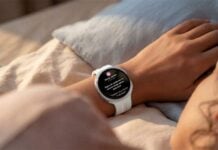
Samsung puts sleep apnea screening on a ring
The updated Galaxy feature now runs on Galaxy Ring and Watch, with FDA clearance and Korean MFDS approval behind it
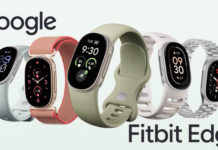
Google Fitbit Edge: A serious fitness tracker that sits between a smartwatch and a...
Google's new slim tracker brings health coaching, ECG, GPS, and seven-day battery life to a form factor designed for everyday wear
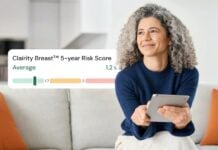
Everlywell brings AI breast cancer risk assessment to women nationwide
The first FDA-authorized AI tool to estimate five-year breast cancer risk from a routine mammogram is now available directly to consumers through Everlywell's platform
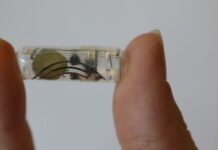
MIT’s dissolvable battery could power ingestible devices, then disappear
A new bioresorbable power source runs swallowable electronics for days before breaking down into materials the body can absorb
FDA grants breakthrough status to Nutromics’ vancomycin monitoring patch
The wearable, DNA-based patch could change how clinicians dose one of the most widely used and hardest-to-manage antibiotics in hospital medicine

FDA clears Roche’s pTau217 blood test for Alzheimer’s amyloid assessment in primary and specialty...
A single blood draw could now replace costly imaging for millions of patients who never make it to a neurologist

AI symptom checker matches or outperforms clinicians in national-scale diagnostic study
Google's SymptomAI correctly identified diagnoses as often as board-certified doctors — and its results correlated with real physiological data from wearables