

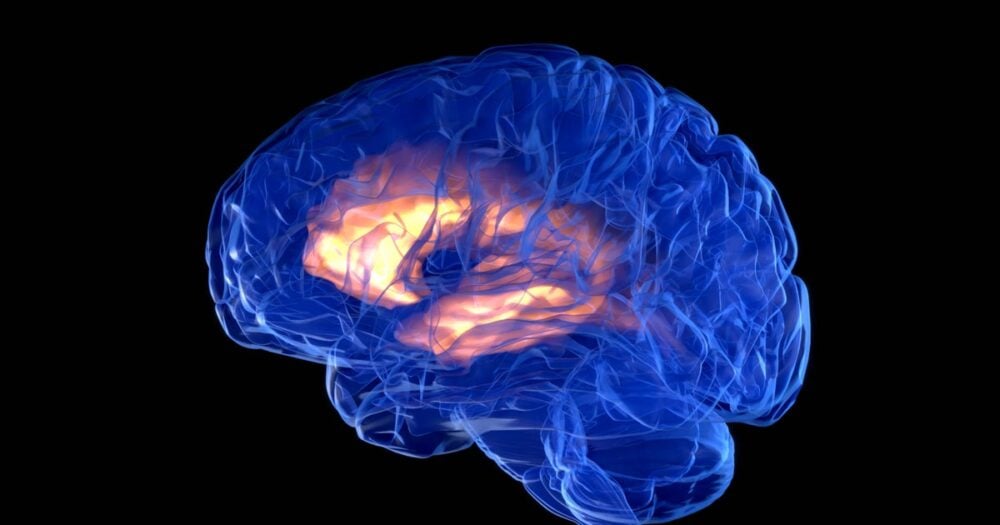
China has approved the world’s first brain implant for commercial use. The device helps people with spinal cord injuries control external devices through thought alone.
The brain-computer interface comes from Shanghai-based Neuracle Medical Technology, putting the company ahead of better-known rivals like Elon Musk’s Neuralink. While brain implants have been tested in clinical trials for decades, this is the first time regulators anywhere have approved one for widespread patient use.
How does it work?
Brain-computer interfaces record electrical signals directly from neurons. Neuracle’s device is a coin-sized wireless implant that sits on the brain’s outer membrane. Software decodes the neural signals and translates them into commands.
The specific system approved in China controls a robotic glove. Patients think about moving their hand, and the glove responds. The device is designed for people with spinal cord injuries who still have some upper arm function.
The procedure requires brain surgery to install the implant. Like all invasive brain procedures, this carries risks of infection and complications.
Why does it matter?
This approval represents a major milestone for brain-computer interface technology. Until now, these devices existed only in research labs and clinical trials.
The technology could help millions of people with paralysis regain some control over their environment. Current applications include:
- Controlling computer cursors and virtual keyboards
- Operating prosthetic limbs
- Managing robotic assistance devices
China’s approval also signals growing competition in the brain-computer interface market. While American companies like Neuralink grab headlines, Chinese firms are making real progress toward commercialization.
The context
Brain-computer interfaces have been in development since the early 2000s. The BrainGate consortium created one of the first successful systems, allowing paralyzed patients to control computer mice and type on virtual keyboards.
In the United States, several companies are racing to commercialize similar technology:
- Neuralink has 21 participants in its current trial, including 30-year-old Noland Arbaugh who was paralyzed below the neck
- Synchron and Paradromics are running their own trials
- The FDA initially rejected Neuralink’s trial application in 2022 over safety concerns before approving it in 2023
No brain-computer interface devices have received commercial approval in the United States yet. The technology still faces significant challenges, including signal degradation over time as scar tissue builds up around implants.
China’s approval gives Neuracle a head start in what could become a major medical device market. The move also reflects China’s growing ambitions in advanced medical technology.