


CDC looking to use sensors to enhance first responder efforts
CDC researchers will be organizing focus groups and workshops to learn more about how sensors can paint a more detailed picture of emergency environments.

New app launches to learn how people’s minds wander
Called Where's My Mind?, the app is currently only available for Android users, prompting them at random intervals with questions about their thoughts.

Face It TOGETHER taps Welkin Health to transform addiction care
National nonprofit aimed at ending addiction will collaborate with digital health company to serve larger populations with more cost-effective solutions.

Verily working on an mHealth hub device?
The company's Connectivity Bridge will be able to collect data from such devices as blood pressure and glucose monitors, as well as other sensors.
Flinn Bioscience Entrepreneurship Program unveils its 2016 cohort with two digital health firms
Each of the companies selected for the program will receive $30,000 along with mentoring to help them develop into successful and sustainable businesses.
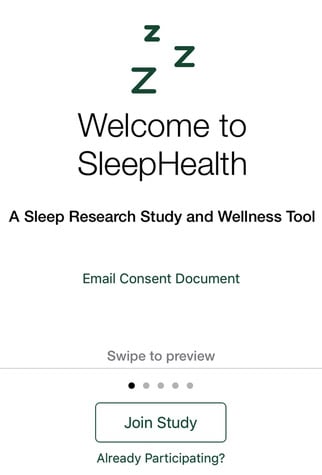
IBM teams-up with ASAA to launch ResearchKit-based SleepHealth app
The Big Blue has also introduced Watson Health for ResearchKit, which is available at no charge to qualified, non-profit health researchers.

Dartmouth-Hitchcock Medical Center taps PipelineRx for telepharmacy
The deployment has started with more than a dozen facilities across D-H's telehealth service area in New England with other markets coming in the future.

UnitedHealthcare, Qualcomm launch wellness program that pays users to walk more
The UnitedHealthcare Motion program provides employees with free wearable devices and enables them to earn up to $1,460 per year for meeting certain goals.
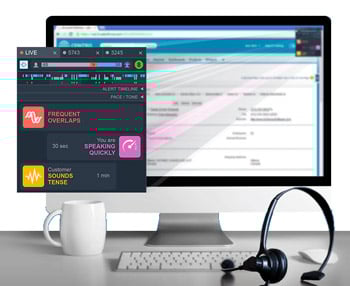
Cogito, MoodNetwork team-up to understand depression and bipolar disorder
The initiative will be open to 1,000 users, who will be provided with real-time feedback based on daily audio diaries recorded via the Cogito Companion app.
UK’s NHS aims to have 10% of patients using apps by 2020
By that time, the National Health Service hopes to be able to offer remote patient monitoring services to 25% of people with long-term chronic conditions.