

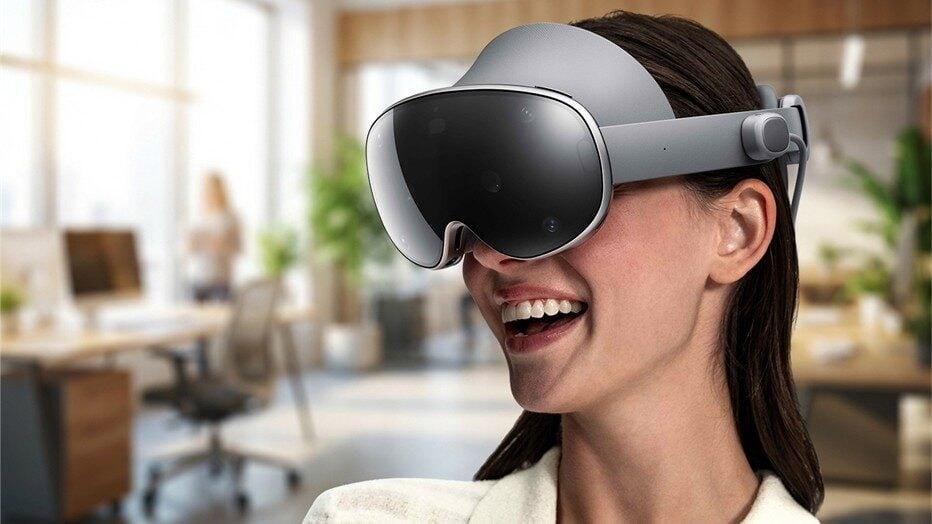
Samsung is pushing Galaxy XR beyond gaming and entertainment with a major software update that brings enterprise features to the mixed reality headset. The company announced today that Galaxy XR now supports Android Enterprise, the same management framework that IT departments use to control millions of Android phones and tablets.
The update also promises five years of regular software updates and security patches. That’s a significant commitment for XR hardware, which typically sees shorter support cycles than smartphones.
How does it work?
Android Enterprise gives IT administrators the tools they need to manage Galaxy XR devices at scale. The system works the same way it does on phones – administrators can:
- Control which apps employees can install
- Push security policies across all devices
- Remotely wipe devices if they’re lost or stolen
- Monitor usage and performance
Samsung Knox adds another layer of security on top of Android Enterprise. The hardware-based security platform creates a secure container for sensitive business data, keeping it separate from personal apps and content.
Why does it matter?
Most XR headsets today are designed for consumers or early adopters willing to deal with rough edges. Enterprise customers need something different – reliable hardware, predictable software updates, and management tools that work with their existing IT infrastructure.
Samsung is targeting specific business use cases:
- Employee training programs in manufacturing and healthcare
- Retail product demonstrations and virtual showrooms
- Remote collaboration for distributed teams
- Design and engineering visualization
The five-year support commitment matters too. Businesses can’t justify buying expensive hardware that might become obsolete in two years. Samsung is essentially promising that Galaxy XR will stay secure and functional until 2030.
The context
Samsung launched Galaxy XR in October 2025 as its first major push into mixed reality. The device runs Android XR, Google’s XR-focused version of Android that competes with Meta’s Horizon OS and Apple’s visionOS.
The enterprise focus makes sense given the current state of the XR market. Consumer adoption remains slow, but businesses are starting to find real value in XR for training and collaboration. Meta has seen success with Quest for Business, while Microsoft’s HoloLens built its reputation primarily in enterprise.
James Choi, who heads XR development at Samsung, said the company sees enterprise as central to its XR strategy. “Our vision for XR extends beyond hardware – it’s about building a secure, scalable ecosystem informed by our users,” he said in a statement.
The software update rolls out starting today for existing Galaxy XR users. Samsung hasn’t said whether the enterprise features will cost extra or come standard with all devices.