

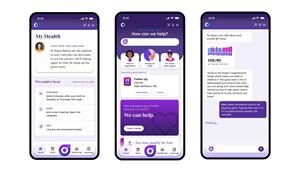
Most virtual care platforms were built to solve one problem at a time. A diabetes app here, a mental health tool there, a separate portal for urgent care. Teladoc Health has spent years building exactly that kind of portfolio. Now it’s trying to replace it with something different.
On July 23, 2026, the company announced Teladoc One, a care model designed to treat patients as whole people rather than collections of separate conditions. The premise is straightforward: fragmented care produces worse outcomes and higher costs. Teladoc One is its answer to that problem.
At the center of the model is a multidisciplinary care team, supported by AI that runs continuously in the background. That team coordinates care across virtual settings and connects with a member’s existing local providers. The AI layer is described as predictive and adaptive, meaning it’s meant to anticipate needs rather than simply respond to them.
How does it work?
Teladoc One starts with an individual’s full health picture, not a single diagnosis. Care teams are matched to each member and handle coordination across specialties and care settings. The AI component monitors data continuously and surfaces recommendations or alerts to support clinical decision-making. Coordination with outside providers, primary care physicians or local specialists, is built into the model rather than left to the patient to manage. The goal is a care experience that adjusts over time as a person’s health needs change.
Why does it matter?
Fragmentation is one of the most documented failures in modern healthcare. Patients with multiple chronic conditions often manage several disconnected care relationships, repeat the same history to different providers, and fall through gaps between them. Virtual care has largely mirrored that structure rather than fixing it. A model that genuinely integrates chronic disease management, mental health, acute care, and specialist access into one coordinated experience would be clinically meaningful. But the word “integrated” has been applied to many products that didn’t deliver on it. The real test for Teladoc One is whether the care team coordination works in practice, not just in product design.
The context
Teladoc has had a difficult few years. After a dramatic rise during the COVID-19 pandemic, the company faced heavy losses, a significant write-down on its Livongo acquisition, and ongoing pressure to demonstrate that virtual care can drive measurable health outcomes, not just convenience. Teladoc One reads, in part, as a strategic repositioning. The company is moving away from point solutions and toward a comprehensive care model it can sell to employers and health plans as a single contract. That’s a financially logical move. It’s also what several competitors, including some newer AI-native virtual care startups, are already attempting. So Teladoc is not alone in this direction. But it has scale, existing clinical infrastructure, and a large member base that smaller players don’t. Whether Teladoc One becomes a credible clinical product or a rebranding exercise will depend on outcomes data, and that takes time to produce.