

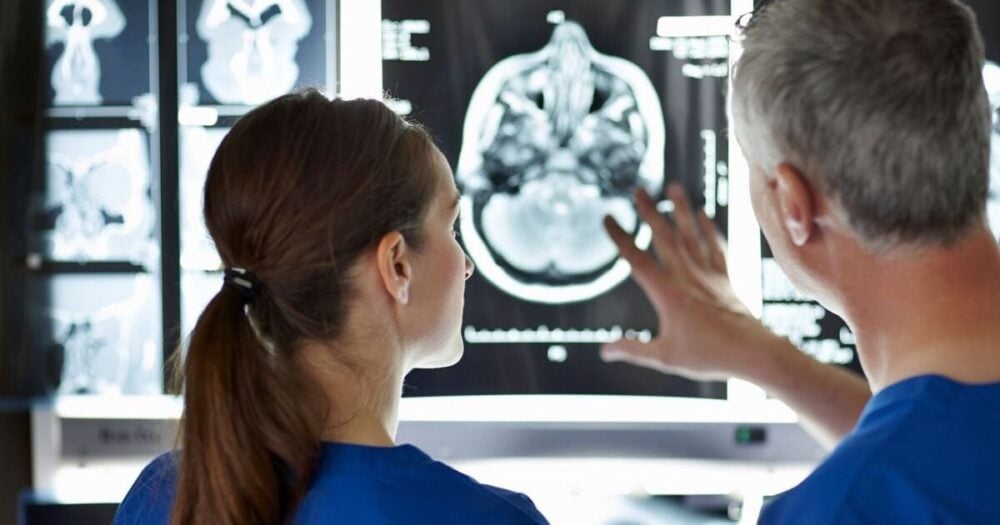
Indian scientists have created an AI system that can read human brain waves and identify neurological disorders. The model, called MANAS-1, works by analyzing electrical signals from the brain through EEG recordings.
Dr Puneet Agarwal, who leads the team at Intellihealth (NeuroDX), says the system treats brain waves like a structured language that computers can learn to understand. The model trained on 60,000 hours of brain recordings from over 25,000 patients worldwide.
How does it work?
MANAS-1 reads brain waves through electroencephalogram (EEG) tests. These tests use electrodes placed on the scalp to measure electrical activity in the brain. The AI then analyzes these signals to spot patterns that indicate specific conditions.
The system examines how different parts of the brain connect and communicate with each other. By understanding these neural networks, it can identify when something goes wrong. The model currently uses 400 million parameters – essentially variables it learned from training data – but researchers plan to expand this to 2 billion parameters.
A second version, MANAS-2, will launch in the coming weeks with improved capabilities.
Why does it matter?
The AI achieves 95% accuracy in detecting epilepsy and mental health disorders according to research findings. This could make brain health screening faster, cheaper, and more accessible across India’s healthcare system.
Traditional neurological diagnosis often requires expensive equipment and specialist doctors. MANAS-1 offers a non-invasive alternative that could work in basic healthcare centers, not just major hospitals.
Dr Agarwal, who also works as a neurology professor at Max Super Speciality Hospital in New Delhi, says the technology enables early detection of brain disorders. Catching these conditions sooner typically leads to better treatment outcomes.
The context
India joins other countries developing AI tools for brain analysis. Singapore researchers introduced Brain-JEPA last year, which also helps diagnose brain disorders and predict how diseases might progress. South Korea built an AI system that can assess dementia risk just by analyzing elderly people’s speech patterns.
Google has been supporting India’s healthcare AI development. The tech giant partnered with the All India Institute of Medical Sciences and Indian Institute of Science to create AI tools for skin conditions and hospital patient sorting. In January, Google released MedGemma 1.5, an open-source medical AI model specifically for India.
These developments reflect a growing global trend of using AI to make medical diagnosis more accurate and accessible, particularly in countries where specialist healthcare remains limited.