

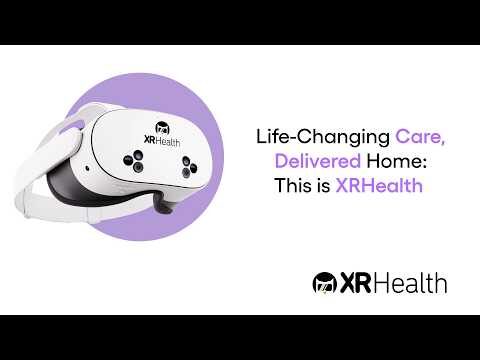
XRHealth has acquired Swing Therapeutics, a company best known for developing the first FDA-authorized digital behavioral therapy for fibromyalgia. The move lets XRHealth extend its platform beyond augmented and virtual reality devices into smartphone apps, smartwatches, and other wearables, all backed by licensed clinicians and an insurance-reimbursable model.
The deal is significant because it brings together two distinct but complementary approaches to digital health. XRHealth has built its business around immersive XR therapy for physical, cognitive, and behavioral conditions. Swing Therapeutics, founded in 2019, took a different path by combining a prescription mobile app with a virtual specialty clinic for people living with chronic pain and fibromyalgia. Together, they form a platform that covers a much wider range of devices and care modalities than either company offered alone.
Chronic pain and fibromyalgia are among the most common and least well-served conditions in the US healthcare system. Fibromyalgia alone affects an estimated 10 million Americans, yet many patients struggle to find consistent, coordinated care. This acquisition puts XRHealth in a stronger position to address that gap at scale.
What Swing Therapeutics brings to the table
The most clinically significant asset in the deal is Stanza, Swing’s FDA De Novo-authorized prescription digital therapeutic. It is the first digital behavioral therapy specifically indicated for fibromyalgia symptoms, and its credentials are solid. A Phase 3 randomized controlled trial published in The Lancet showed meaningful improvements across several key measures:
- Overall fibromyalgia severity
- Pain intensity
- Fatigue
- Sleep quality
- Depression symptoms
Stanza is grounded in Acceptance and Commitment Therapy, a well-established psychological approach, and is available by prescription through Swing Care, the company’s virtual specialty clinic. That clinic was developed alongside Dr. Andrea Chadwick, a recognized fibromyalgia specialist who serves as medical director. It combines the digital therapeutic with medication management, mental health support, and personalized coaching.
Real-world numbers back the clinical trial data
Swing Therapeutics isn’t just carrying clinical trial results into this deal. The company reports strong outcomes from actual patients treated through Swing Care. At the one-year mark, 88% of patients reported improvement in overall wellbeing, and more than half said they felt “much improved” or better. That kind of real-world performance data matters to insurers and health systems evaluating whether to cover a treatment.
XRHealth’s platform now spans the full device spectrum
XRHealth’s existing platform covers FDA-registered immersive VR and AR devices, evidence-based digital therapeutic programs, and peer community support. It operates across 22 US states and serves patients through Medicare Part B, VA programs, and commercial insurance. Adding Swing Therapeutics means the platform now also reaches patients through:
- Smartphone apps
- Smartwatches
- IoT wearable devices
- Virtual specialty care clinics
The company describes this as a closed-loop system where AI and licensed clinicians work together continuously, not just during scheduled appointments. Outcomes data feeds back into the platform to improve care over time, and new therapies can be added as they demonstrate clinical value and gain insurance coverage.
The bigger picture: technology as the treatment, not just the tool
XRHealth CEO Eran Orr was direct about the company’s ambition. In his view, the healthcare system faces a structural mismatch: not enough clinicians, too many patients, and costs that most people can’t afford. His argument is that technology, properly integrated with clinical oversight and reimbursement infrastructure, is how that problem gets solved.
Mike Rosenbluth, founder and CEO of Swing Therapeutics, framed the acquisition as a way to deliver on the original vision for Swing at a larger scale. “Joining XRHealth means we can deliver on that vision at an expanded scale, with clinicians and technology working together through a single platform where patients can access every dimension of their care,” he said.
Whether XRHealth can execute on that vision across such a wide range of conditions and devices remains to be seen. But the combination of clinical evidence, regulatory authorization, real-world outcomes data, and an existing reimbursement framework gives the merged company a more credible foundation than most digital health startups can claim.