

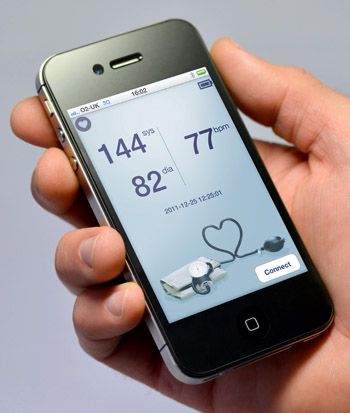
Study: Current mHealth app reviews are useless
The study looked at depression and smoking cessation apps, and has found a wide variations concerning effectiveness, performance and ease of use.
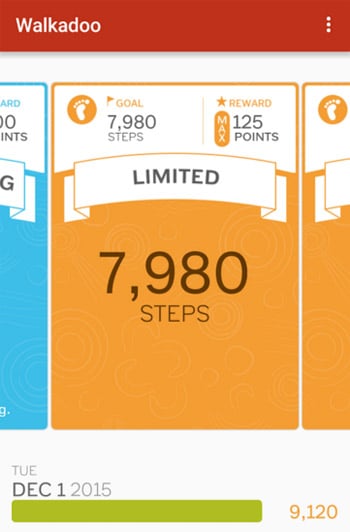
Study: Online tools and wearables can help employees be more active
Half of the study participants received an activity tracker and access to an online portal, and were able to outperform their peers in the control group.

Canalys: 12M Apple Watch units were shipped in 2015
The research firm estimates that Apple took two-thirds of the smartwatch market; Samsung was second, Pebble - third, while Huawei took the fourth position.

App stores to remain the #1 distribution channel for mHealth apps until at least...
In comparison, distribution through other channels, such as via doctors, hospitals or pharmacies are increasingly seen to be weaker channels.

Research: Texting can boost medication adherence
The study, which involved reviewing data from 16 clinical trials, found that texting can improve medication adherence rates between 50 and 67 percent.

Forecast: On-demand healthcare companies to raise $1B in 2017
The number of these companies has spiked from 4 in 2010, to 42 in 2014, with annual investment growing at an annual rate of 224% over the same period.

Survey: 71% of Americans would use a personal monitoring device if it was clinically...
The survey with 1,000 respondents was commissioned by The Society for Participatory Medicine and healthcare technology company Biotricity.
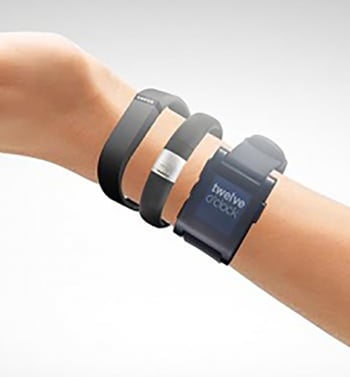
Fitness tracking apps overestimate activity compared to wearables
Researchers at University of Toronto also examined the cyber-security of fitness tracking devices, and have found room for improvements.
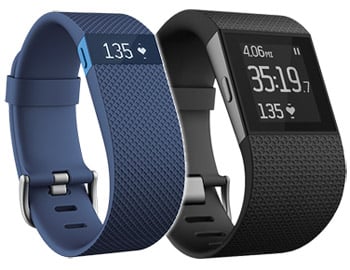
Research: Smartwatches still trailing dedicated fitness trackers
The Apple Watch didn't slow down sales of fitness trackers last year, and Fitbit is still the leading wearable device maker with 79% of the market.
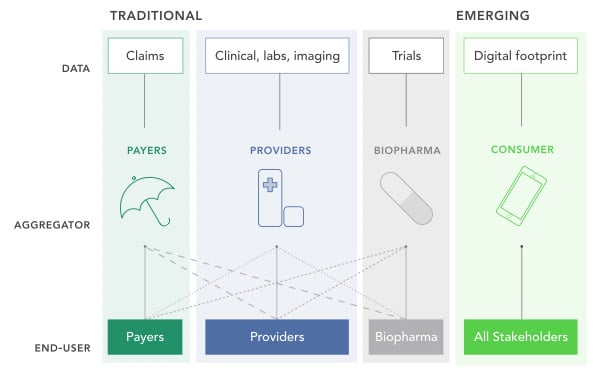
Digital biomarkers have yet to prove their worth
Rock Health argues that digital biomarkers can extend the collection of population level health data and introduce longitudinal data for individual consumers.