


drchrono unveils self check-in functionality and shareable patient education on iPad
The Kiosk feature allows patients to self check-in on iPad for an appointment reducing waiting times and improving the patient experience.

Cerner’s EHR gets American Well-powered telehealth capabilities
The integrated EHR-telehealth solution will be available to current and future Cerner and American Well clients.

Zocdoc now integrates with Epic EHR
Clients of both companies will benefit from a streamlined experience; these include the likes of Hartford HealthCare, Inova, Yale New Haven Health, and others.

ONC unveils Move Data Forward Challenge with $250K in prizes
The challenge invites interested parties to create an API to allow people to securely authorize the movement of their health data to destinations they choose.

Research: Only 22% user EHR to help make medical decisions
55% are accessing their health record to simply stay informed; 29% of those consumers who say they do have an EHR are not getting much benefit from it.

ChartSpan gets $3.2M for its personal healthcare records app
The company has also announced plans to bring 300 new healthcare jobs to downtown Greenville, SC, from where it will run its clinical support operations.

drchrono unveils new API partners: Health Gorilla, Inuvio, Medisafe and Wink Health
The company currently has more than seven hundred developers in its program creating essential apps and solutions for the healthcare industry.
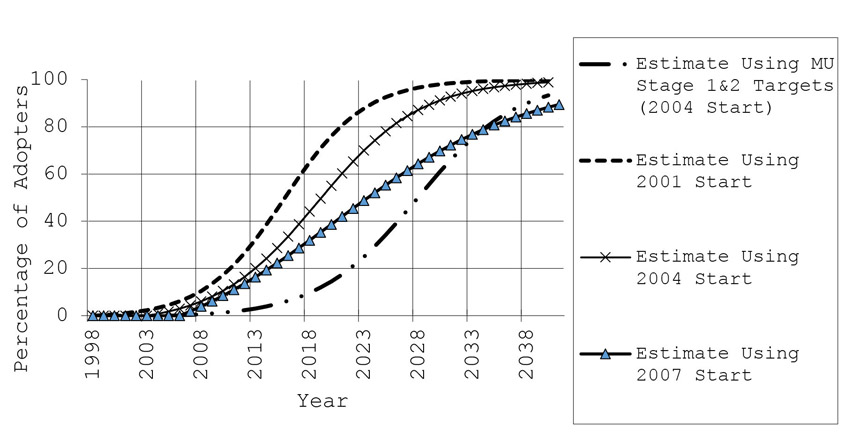
75% of adults will use PHRs in 2020?
Researchers from Johns Hopkins, the Ohio State University and the National Cancer Institute predict this scenario even without additional interventions.
Medsphere makes OpenVista EHR mobile-friendly
Mobile OpenVista Enterprise (MOVE) is designed to liberate OpenVista EHR data from the desktop, and enable physicians and clinical staff to work while on the go.

Survey: 92% of patients want access to their health records
On the other hand, the number of doctors who think patients should have access to their health records has dropped from 31 in 2014 to 18 percent today.