


The world’s first smartphone case glucometer launches on Indiegogo
Called GluCase, the device is designed to help diabetics monitor their sugar levels and share information directly with their endocrinologist and care team.

Fitness tracker maker Skulpt raises $4.1M Series A
The news comes on the heels of Skulpt's unveiling of the Chisel, the company's next-gen product which already won the CES 2016 Innovations Award.
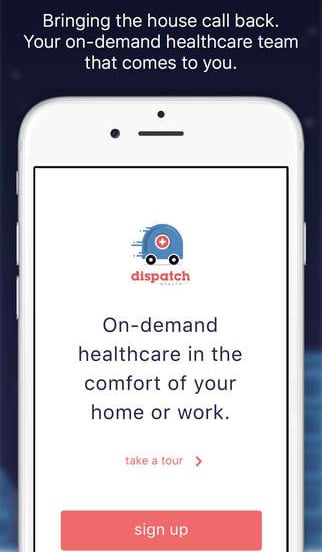
DispatchHealth launches an iPhone app
Just in time for holidays, the application will make it easier for patients to access acute care in their homes, offices or in the location of need.

Medtronic’s app-based remote monitoring system for pacemakers clears the FDA hurdle
The company is also announcing the U.S. product availability allowing patients to use own mobile devices to transmit data from their pacemakers to physicians.

Dartmouth Centers for Health and Aging to use Wellframe’s mobile platform with mental health...
Dartmouth's Integrated Illness Management and Recovery (I-IMR) program will be delivered through Wellframe's Intelligent Care Management Platform.

Stanford researchers to examine health and fitness data from 5M Azumio users
Sponsored by NIH, the study will measure how specific social behavior, activities and exercises correlate with the body mass index (BMI).
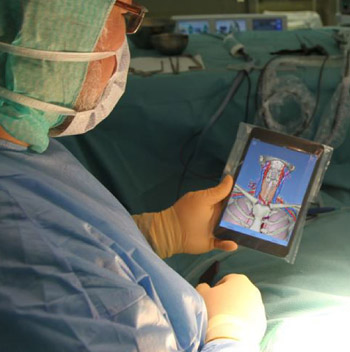
Visible Patient gets the FDA nod to bring its custom 3D anatomy models to...
VP Planning Software Suite allows surgeons to send radiological data to Visible Patient where in-house designers create 3D models based on the data received.

Sunu’s sonar smart-bracelet provides independence for the visually impaired
The Sunu Band connects to the Sunu Tag locator beacons, and can also tell time via discreet vibrations; it is available through Indiegogo for as little as $159.
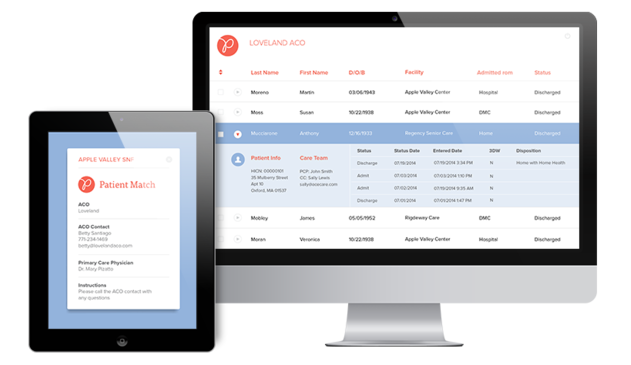
PatientPing secures $9.6M for its patient data sharing network
The company will use the funds to expand its platform that enables healthcare facilities to share patient information, and reach providers in new states.
McKesson Ventures invests in home care software maker ClearCare
The company will use the funds to accelerate new integrations into its platform, including telemedicine services, remote monitoring and diagnostics.